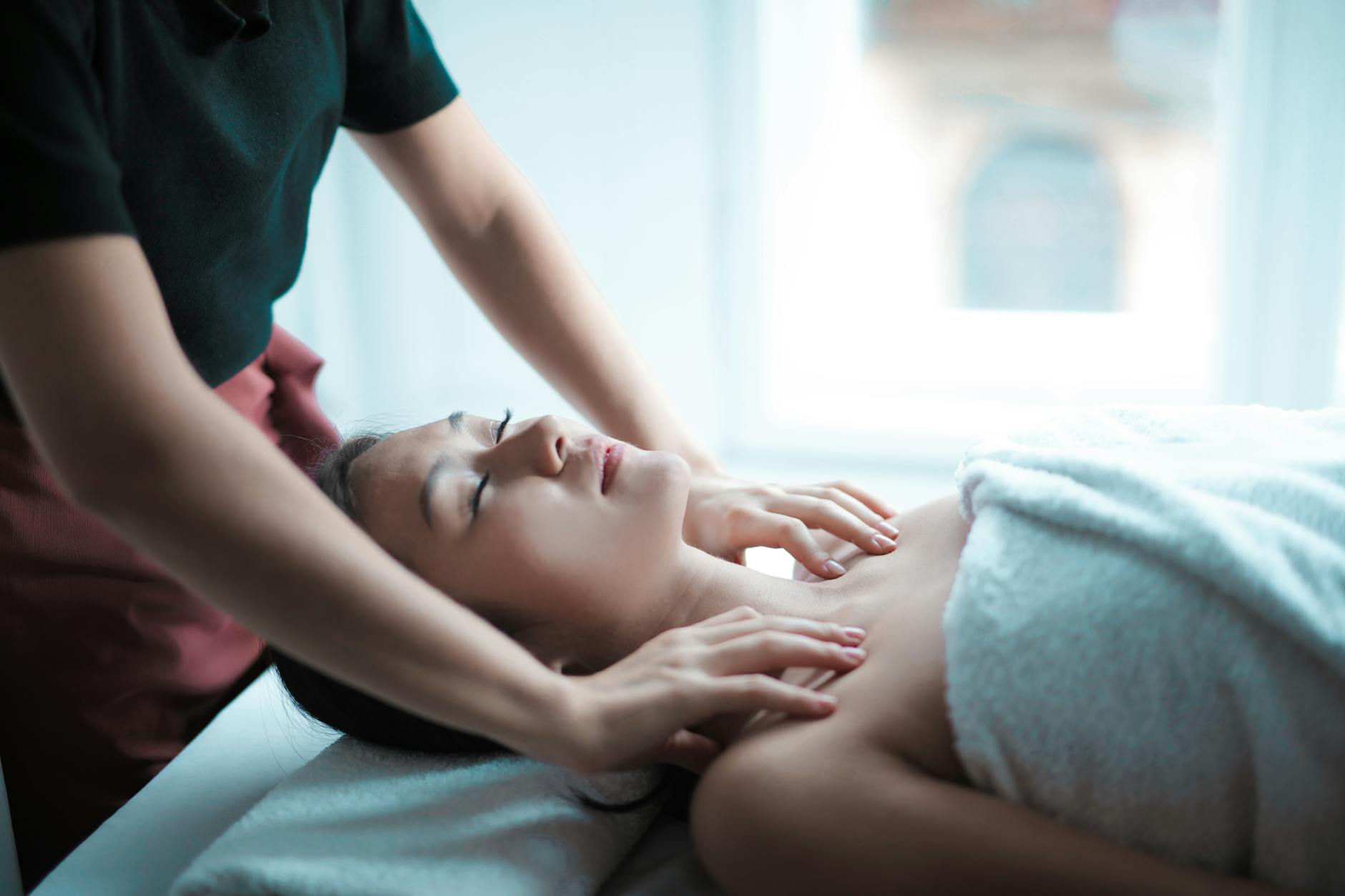
The US has more than 60 million regular recreational athletes, and demand for skilled sports massage extends from competitive marathon runners in New York to recreational CrossFitters in Phoenix. If you’re passionate about sport, movement, and helping people perform and recover at their best, figuring out how to become a sports massage therapist in the US is a natural starting point.
The licensing landscape in the US is more complex than in some other countries, requirements vary significantly from state to state, but the pathway is well-defined once you know what to look for. This guide walks you through state licensing, national credentials, building a sports-focused client base, and how mobile practice works in the US context.
Do You Need A License To Become A Sports Massage Therapist In The US?
Massage therapy is regulated in 45 out of 50 US states, plus the District of Columbia. That means in most states, you must hold a valid massage therapy license before taking paid bookings, regardless of your specialization. Sports massage is not a separately licensed category, it sits within the broader scope of licensed massage therapy.
How Many Training Hours Are Required?
Minimum education requirements vary by state, from around 330 hours (Kansas) to over 1,000 hours (Nebraska). Most states fall in the 500-750 hour range. Your training must be completed at a school accredited by the Commission on Massage Therapy Accreditation (COMTA) or a state-approved equivalent.
A standard massage therapy program will cover anatomy, physiology, pathology, and a range of hands-on techniques. Sports-specific content, including soft tissue assessment, pre- and post-event massage, and injury prevention, may be built into the core curriculum or offered as a specialization module, depending on the school.
What Exam Do You Need To Pass?
The MBLEx (Massage and Bodywork Licensing Examination), administered by the Federation of State Massage Therapy Boards (FSMTB), is accepted as the primary licensing exam in most US states. Once you pass the MBLEx and meet your state’s education requirements, you can apply for your state license.
For an advanced voluntary credential, the National Certification Board for Therapeutic Massage and Bodywork (NCBTMB) offers the Board Certified in Therapeutic Massage and Bodywork (BCTMB) designation. This signals expertise to clients, employers, and athletic organizations, and is worth considering once you’re established.
Research indexed on PubMed documents the evidence base for sports massage in areas including recovery from delayed onset muscle soreness (DOMS) and pre-competition preparation, a useful reference when positioning your services with athletic clients or healthcare referrers.
How Long Does The Whole Process Take?
From enrollment to your first paid booking, most people move through this pathway in 6 to 12 months, though the exact timeline depends heavily on your state’s required training hours and how you structure your schedule. A program requiring 500 hours typically takes 6 to 9 months if you’re studying full-time, longer if you’re balancing it around existing work. States on the higher end, like Nebraska’s 1,000-hour requirement, naturally push the timeline out further.
Once your training is complete, scheduling and studying for the MBLEx typically adds another 4 to 8 weeks, and processing your state license application after passing can take anywhere from a few days to a couple of months depending on your state board’s current volume. Building toward the BCTMB credential, if you choose to pursue it, comes later, generally after you’ve accumulated the additional practice hours it requires, so it’s worth treating as a second-year goal rather than something to chase immediately out of school.
How Do You Attract Sports And Athletic Clients In The US?
Once you’re licensed and ready to practice, the next challenge is reaching active clients who need what you offer. The US has an enormous athletic population, from high school and college athletes to weekend warriors, marathon runners, CrossFit enthusiasts, and professional competitors.
Here are the most effective ways to build a client base.
Specialize visibly
Positioning yourself around a specific sport or training style makes you memorable and searchable. “Sports massage for triathletes in Austin” or “post-game recovery massage for soccer players in Seattle” will cut through in a way that a generic listing won’t. Use that language on your website, your Google Business Profile, and any social content.
Build relationships with gyms, coaches, and athletic trainers
Gyms, sports performance facilities, running stores, and coaching organizations are natural referral partners. Athletic trainers working in school or collegiate settings often make recommendations for soft tissue therapy outside their scope, a professional introduction can establish a meaningful referral pipeline.
Get embedded in athletic communities early
Here’s what most guides on this topic don’t mention: the best clients aren’t found through ads, they’re found in communities. Local running clubs, CrossFit boxes, cycling groups, and recreational sports leagues are full of motivated people who train consistently and actively recommend providers they trust. Getting embedded in one or two of those communities early on is one of the most effective moves a new mobile therapist can make.
Be present at sporting events
Local 5Ks, triathlons, weightlifting meets, and sports expos are excellent places to introduce yourself to athletic communities. Post-event recovery massage is a practical service you can offer on-site, putting your work in front of people actively experiencing the discomfort you can address.
Leverage social proof
Client reviews, especially those that name a specific sport, condition, or result, are the most compelling marketing you have. Ask satisfied clients to leave a Google review, and share testimonials (with permission) in your online presence.
Create content that demonstrates your knowledge
Short video clips, posts about common injuries in specific sports, or explainers on recovery techniques position you as a knowledgeable resource. Active people are constantly searching for this kind of information, and content that helps them builds trust before they ever book a session.
How sports massage helps weekend warriors is worth reading for practical framing around recreational athletes specifically, and speaking to that evidence knowledgeably sets you apart as a professional who understands the science, not just the technique.
What Does Mobile Sports Massage Practice Look Like In The US?
Mobile massage is well-established in the US, and the on-demand model, where clients book a licensed therapist to come to their home, hotel, or gym, is growing rapidly. For sports massage in particular, mobile service removes the post-training friction of traveling to a clinic when a client is tired, sore, or pressed for time.
The Financial Case For Going Mobile
Here’s an angle that rarely appears in guides on this topic: the at-home model doesn’t just work for clients, it changes your financial picture significantly.
Without clinic rent or overhead, more of each session rate stays with you. You control your travel radius, going only where it makes practical and financial sense. At-home clients also rebook far more consistently than clinic clients, stabilizing your income faster and with less ongoing hustle. And the format suits the rhythm of sports work naturally, pre-event prep, post-training recovery, and weekly maintenance all fit into a home setting without adding stress to your clients’ schedules.
Setting Up Your Mobile Kit
The practical requirements are a quality portable massage table, professional linens, and the tools relevant to your technique. In the US, most mobile therapists operate by car, so consider storage efficiency and table weight when making your equipment choices.
Pricing And Logistics
Mobile work justifies premium pricing relative to clinic work, you’re bringing the service to the client. Factor in drive time, fuel, and parking costs when setting your rates, and consider implementing a travel fee or minimum booking value for appointments beyond a certain radius.
Staying Compliant Across State Lines
If you operate near a state border or work with clients in multiple states, be aware that your license is state-specific. Practicing in a state where you’re not licensed, even briefly, can create liability. Some states offer reciprocity or endorsement pathways, but check the rules for each state before working there. Building a mobile practice comes with its own set of practical steps worth working through alongside the state-by-state logistics covered here.
Building Specialized Skills Beyond Licensing
Getting licensed is the entry point, not the ceiling. Once you’re working, the therapists who build the strongest reputations with athletic clients tend to keep adding specific skills that go beyond a standard sports massage foundation.
Kinesiology taping is a common next step, since athletic clients frequently ask about it and being able to offer it in the same session as your massage work adds real value without requiring a separate appointment. Cupping therapy is another skill worth adding for therapists working with clients managing chronic tightness or recovering from heavy training blocks, it’s increasingly requested by name. Sports-specific injury assessment courses, often offered as continuing education through the same schools that provide your initial training, sharpen your ability to recognize when something needs a referral rather than continued massage work, which builds real trust with the athletic trainers and coaches you’re hoping to get referrals from.
None of these are required to practice, but each one makes you a more complete resource for the athletic clients this career is built around serving.
What Can You Expect To Earn?
Earnings vary considerably based on employment type, location, and how quickly you build a client base, mobile and platform-based work in particular can be considerably more lucrative than a fixed clinic role once you have consistent bookings. A closer look at massage therapist salary, demand, and job outlook breaks down the specific numbers in more detail than fits here, and sports massage therapist salary specifically covers what specializing in this area can mean for your income over time.
At A Glance: US Sports Massage Licensing And Credentialing Framework
The table below maps out the key stages of the US licensing and credentialing pathway, from initial education through to advanced voluntary credentials and ongoing compliance requirements.
| Stage | Requirement | Governing Body | Notes |
| Education | 330-1,000+ hours (varies by state) | State-approved or COMTA-accredited school | Check your specific state’s minimum |
| Licensing exam | MBLEx | FSMTB | Accepted in most US states |
| State license | Application + fee | State massage therapy board | Required before taking any paid bookings |
| Advanced credential | BCTMB (voluntary) | NCBTMB | Signals expertise; requires additional hours and exam |
| Insurance | Professional liability | Various providers | Required for most gym, event, and mobile work |
| Continuing education | CEU hours per renewal cycle | State boards / NCBTMB | Varies by state; required to maintain license |
This overview gives you a clear starting point for navigating what is, admittedly, one of the more complex regulatory landscapes in the world for massage therapy.
How Blys Helps Mobile Sports Massage Therapists Find Clients In The US
Building a consistent client base from scratch takes time. Connecting with a platform like Blys can accelerate that process significantly, particularly in the early stages of your independent practice, or when you’re expanding into a new area.
Blys connects professional, insured providers with clients across the US who are actively looking for sports and remedial massage at home or at their preferred location. The platform takes care of matching, scheduling, and payment processing, which means you spend less time on admin and more time doing the work you trained for. Sports massage bookings on Blys range from single sessions to recurring clients building recovery into their regular routine.
The US Athletic Market Is Underserved And That’s Your Opportunity
The US sports and wellness market is large, diverse, and genuinely underserved when it comes to mobile, expert-level soft tissue therapy. Clients who train seriously, and that’s a significant portion of the adult population, often don’t have easy access to the kind of targeted recovery work that could meaningfully improve how they feel and perform.
For therapists who invest in solid training, maintain their state license, build their clinical skills, and connect with the right clients and platforms, a rewarding and financially sustainable career in sports massage is absolutely achievable. The infrastructure is there, and the demand is real.
Frequently Asked Questions
Can I specialize in sports massage without a separate license?
Yes. Sports massage isn’t a separately licensed category in the US, it sits within your general massage therapy license, so you can begin working with athletic clients as soon as you’re licensed and build your specialization from there.
Do I need experience before I start working with athletes?
Not formally, but many new therapists find it easier to build confidence with general clients first before specializing, since athletic clients often expect a provider who can speak knowledgeably about training loads and recovery science from day one.
Can I work with clients in a state where I’m not licensed?
No, not without that state’s own license or a recognized reciprocity arrangement. Your license is state-specific, and practicing without one, even briefly while visiting another state, creates real liability.
Is sports massage physically demanding as a long-term career?
It can be, particularly if you’re doing firm-pressure work all day. Many experienced therapists manage this by varying their caseload across techniques, maintaining their own physical conditioning, and pacing their schedule to avoid burnout, the same advice that applies to massage therapy generally.