 If you’ve ever walked out of a facial or a massage feeling like a completely different person, you’ll understand why so many people are drawn to beauty therapy as a profession. The idea of spending your working day helping clients relax, look their best, and feel more confident is genuinely appealing. But is beauty therapy a good career in practice, not just in theory?
The honest answer is: it depends on what you’re looking for. Beauty therapy offers real rewards, including flexible hours, genuine human connection, and a wide range of career paths. It also comes with challenges that aren’t always talked about, from physical demands to income variability. This article gives you a grounded, realistic picture so you can make an informed decision.
Whether you’re fresh out of school, thinking about a career change, or simply curious about where a beauty qualification can take you, here’s what you need to know.
What Does a Beauty Therapist Actually Do?
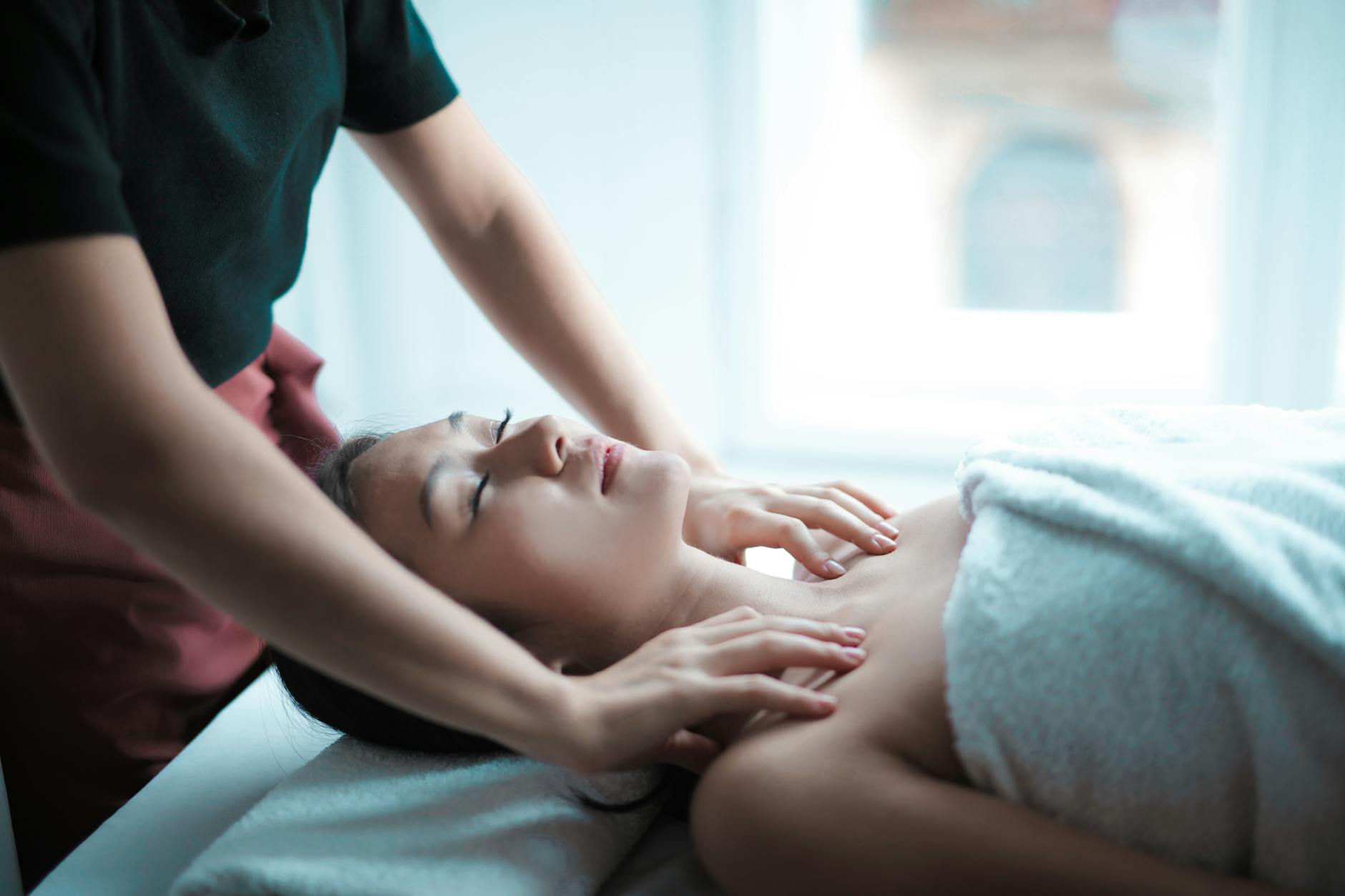
Beauty therapists work with clients to improve the appearance and condition of their skin, hair, nails, and overall well-being. Treatments vary widely depending on your training and specialization, but day-to-day work typically includes facials, waxing, body treatments, massage, nail care, and makeup application.
Many therapists also provide more advanced treatments such as lash and brow services, chemical peels, LED light therapy, and dermaplaning. Some go on to specialize in areas like lymphatic drainage massage, oncology beauty care, or cosmetic tattooing.
The role is hands-on by nature. You’ll be on your feet for most of your shift, performing treatments that require physical precision and concentration. You’ll also spend time consulting with clients, recommending products, and managing appointment bookings if you’re in a salon or clinic environment.
If you’re thinking about the mobile side of the industry, where therapists travel to clients’ homes or workplaces, our guide on how to become a mobile massage therapist outlines what that kind of flexibility looks like in practice.
The Genuine Benefits of a Beauty Therapy Career
Beauty therapy can offer more than a creative job. For many people, it brings flexibility, meaningful client work, and the chance to build a career that can grow in different directions over time.
Flexibility and Varied Work Environments
One of the biggest benefits of beauty therapy is the variety of workplaces available. You are not limited to one type of environment or one fixed schedule, which gives you more freedom to build a career that suits your lifestyle, goals, and preferred way of working.
Common work options include:
- Beauty salons, which often suit therapists who enjoy steady client flow and a fast-paced routine.
- Day spas, where the focus is usually on relaxation treatments and a calmer client experience.
- Medispas and skin clinics, which can be ideal for therapists interested in advanced skin services and results-driven treatments.
- Hotels and resorts, where therapists often provide services in a more premium or tourism-based setting.
- Cruise ships, which can appeal to those who want to travel while gaining experience in the industry.
- Wellness retreats, where beauty services are often combined with massage, relaxation, and holistic wellbeing.
- Mobile beauty services, which offer more independence and the chance to work around your own schedule.
- Shared studio spaces, which can suit therapists who want flexibility without the full cost of running a standalone business.
- Self-owned clinics or businesses, which give you full control over your services, pricing, branding, and client experience.
This flexibility makes beauty therapy appealing to many people, especially those who want part-time hours, more independence, or the option to shift into different work environments as their needs change.
Helping People in a Meaningful Way
Beauty therapy sits at the intersection of physical care and emotional wellbeing. Clients often arrive stressed or self-conscious and leave feeling noticeably better. That shift is something therapists consistently point to as one of the most rewarding parts of the job.
Research supports what therapists experience firsthand. Regular massage and skin treatments have been linked to reduced stress hormones and improved mood. According to the Global Wellness Institute, the global wellness economy is now worth over $5.6 trillion, reflecting growing consumer demand for services that support both physical and mental health.
When clients return to you month after month, trust builds naturally. Many therapists describe long-term client relationships as one of the most fulfilling aspects of the role.
Career Growth and Specialisation
Beauty therapy can lead to more than one type of role. With extra training, therapists can move into advanced treatments, education, management, or product-based work. This gives you room to grow as your interests and skills develop.
| Career Path | What It Involves | Why It Appeals |
| Advanced treatments | Services like peels, LED therapy, or cosmetic tattooing | More specialised work and stronger earning potential |
| Salon or clinic management | Handling staff, bookings, and daily operations | Good for therapists with leadership skills |
| Education and training | Teaching students or mentoring junior therapists | Suits those who enjoy sharing knowledge |
| Brand roles | Product training, sales, or consultancy work | Blends beauty knowledge with business skills |
| Clinical support settings | Working in areas like oncology care, dermatology, or aged care | Offers a more specialised care-focused path |
For people who enjoy learning and building new skills, beauty therapy offers clear opportunities to expand over time.
The Challenges You Should Be Honest With Yourself About
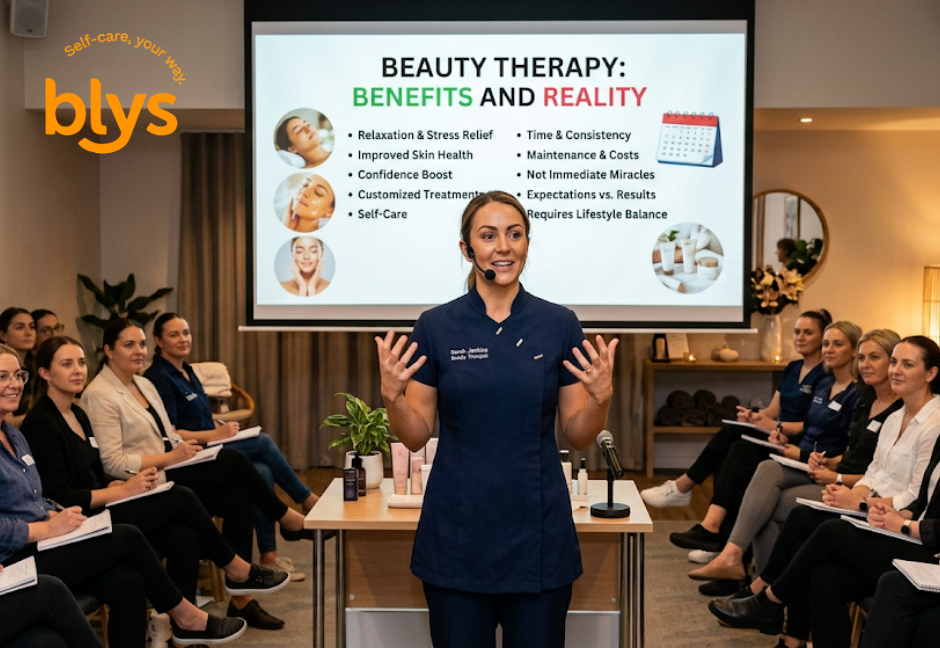
Beauty therapy can be rewarding, but it is important to be realistic about the challenges as well. Like many hands-on, client-facing careers, it comes with physical, emotional, and financial demands that are easier to manage when you know what to expect from the start.
Common challenges include:
- Physical strain from standing for long hours and repeating hand movements
- Income that can vary, especially in the early stages or in self-employed work
- The time it takes to build a steady and loyal client base
- Emotional demands that come with client-facing service work
- The need to keep learning and updating your skills over time
The work itself can be physically demanding. Treatments often require precision, long periods on your feet, and awkward posture, which can lead to fatigue if you do not take care of your body properly. Earnings can also feel uneven at first, particularly when you are still growing your reputation or relying on bookings that change with the season.
You also need to feel comfortable working closely with people every day. Most client interactions are positive, but service-based work still requires patience, energy, and professionalism even on difficult days.
For a more detailed breakdown of what the role looks like day to day, the beauty therapist career guide covers training pathways, specializations, and what to expect as you progress through your career.
Beauty Therapy Career Paths and Earning Potential
Beauty therapy income can vary based on your location, experience, specialisation, and work setup. While entry-level pay can start modestly, earning potential often improves as you build your skills, grow your client base, and move into higher-value services.
| Career Path | Income Pattern | What Can Increase Earnings |
| Entry-level salon or spa therapist | Base wage with possible commissions, tips, or overtime | Experience, retail sales, and repeat clients |
| Senior therapist | Higher treatment rates and stronger client retention | Advanced skills and loyal regulars |
| Mobile or self-employed therapist | Higher pay per treatment but more business costs | Pricing, booking volume, and service demand |
| Advanced treatment specialist | Higher rates for specialised services | Extra training and niche expertise |
| Educator or brand representative | Salary or contract-based income | Industry experience and communication skills |
Therapists starting out in salons or spas usually earn a base wage, with some chance to boost their income through commissions, retail sales, tips, or extra hours. As your experience grows, so can your rates and client demand.
Self-employed and mobile therapists often earn more per appointment, but they also pay for products, insurance, equipment, and travel. Specialist qualifications can also lift your earning potential, especially in areas like advanced skin treatments, cosmetic needling, or lymphatic drainage.
According to the International Spa Association (ISPA), the spa and wellness industry continues to grow globally, with strong demand for qualified therapists expected to continue over the coming decade. Continued education is one of the most practical ways to move into better-paid and more specialized roles.
Is Beauty Therapy the Right Career for You?
Beauty therapy suits people who genuinely enjoy working with others and feel energised by helping clients look and feel better. If you’re detail-oriented, calm under pressure, physically capable, and curious about skin science and wellness, you’ll likely find the work rewarding.
It also suits people who value variety. No two clients are the same, and the range of treatments, settings, and specializations available means your career can evolve with your interests over time.
On the other hand, if you’re drawn to beauty therapy primarily for the glamour, or you’re expecting a high starting salary right out of training, it’s worth recalibrating your expectations. The income grows with experience and specialisation, but the early years often require patience and resilience.
Ask yourself:
- Do you enjoy hands-on, physical work?
- Are you comfortable with the client-service dynamic?
- Do you have a genuine interest in skin, wellness, and beauty treatments?
- Are you prepared to invest in ongoing education to grow your skills?
- Is flexibility more important to you than a fixed salary?
If most of your answers are yes, beauty therapy is likely a strong fit. If you’re on the fence about several of them, it’s worth spending some time in a salon environment as an observer or work experience participant before committing to training.
Wrapping Up
So, is beauty therapy a good career? For the right person, absolutely. It offers genuine flexibility, meaningful human connection, a wide range of specializations, and a growing global industry to grow within. The challenges are real but manageable, and the rewards, both professional and personal, are significant.
If you’re ready to explore what a career in beauty looks like through the Blys platform, browse our beauty services to get a sense of the treatments therapists offer and the clients they serve. It’s a good way to understand what the work looks like from the client’s perspective before you step into the therapist’s shoes.