 If you have never had a massage before, it is completely normal to feel a little unsure about what to expect. Many first-time clients wonder what to wear, what the therapist will actually do, and whether the treatment will feel uncomfortable. Knowing the basics before you book can make the whole experience feel much less intimidating.
Swedish massage is one of the most popular massage styles because it is gentle, calming, and designed to ease everyday tension without feeling too intense. It uses smooth, flowing techniques that help the body relax, which is why it is often a good choice for beginners or anyone looking for a more soothing treatment.
Once you understand how a session usually works, the process feels much more straightforward. From the time your therapist arrives to the moment the treatment ends, each step is meant to help you feel comfortable and at ease. This guide walks you through each stage of a Swedish massage session so you can feel informed, confident, and ready to enjoy it.
What Is a Swedish Massage, Exactly?
Before looking at what happens during the session, it helps to understand what Swedish massage actually involves. Swedish massage is one of the most common massage styles and typically uses a mix of long gliding strokes, kneading, tapping, friction, and gentle movement to help relax the body and ease muscle tension. Healthdirect describes it as a massage style that involves rubbing, kneading, stroking, and tapping the muscles.
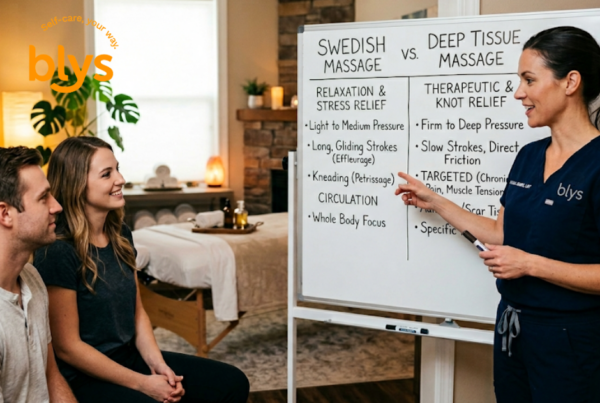
Unlike deep tissue massage, which usually focuses on specific problem areas with firmer pressure, Swedish massage is generally more moderate and whole-body in approach. Its main goal is to calm the nervous system, reduce general tension, and help you feel more settled physically and mentally, which is why it is often recommended for stress relief and relaxation.
That also makes it a strong option for first-time clients. You do not need prior massage experience or a certain fitness level to book one. For many people, Swedish massage is simply an accessible starting point when they want a treatment that feels soothing, straightforward, and not overly intense.
Before the Massage: What Happens First
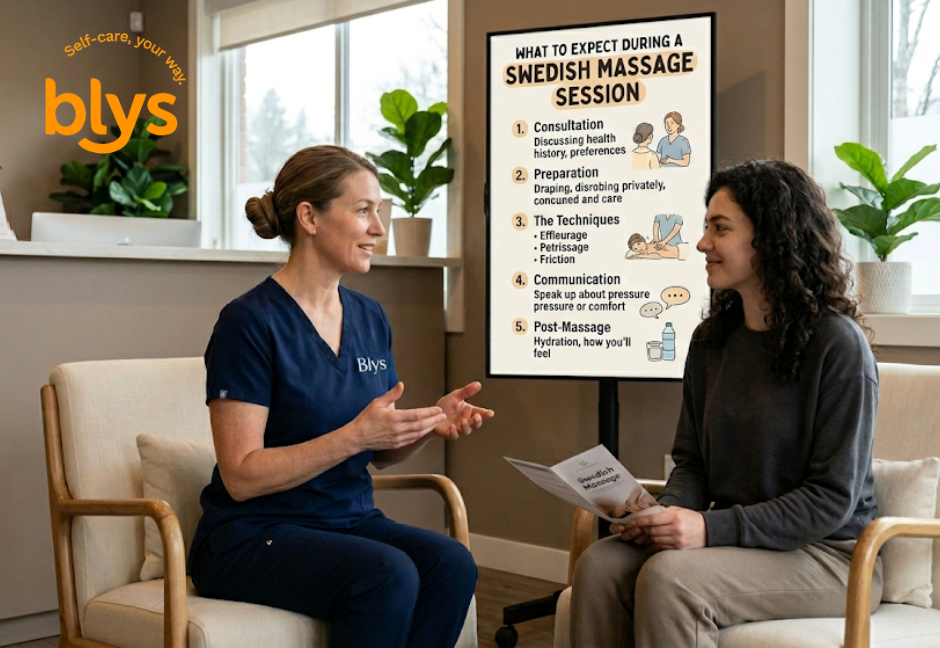
The first part of any professional massage session is the consultation. Your therapist will ask a few questions about your health, any injuries or areas of concern, and what you’re hoping to get out of the treatment. This doesn’t need to be a long conversation, but it’s important for your therapist to personalize the session to you and ensure the treatment is safe.
If you have any medical conditions, are pregnant, or are taking certain medications, it’s worth mentioning these upfront. In most cases it won’t affect your eligibility for a Swedish massage, but your therapist may adjust their approach slightly.
Getting Undressed and Set Up
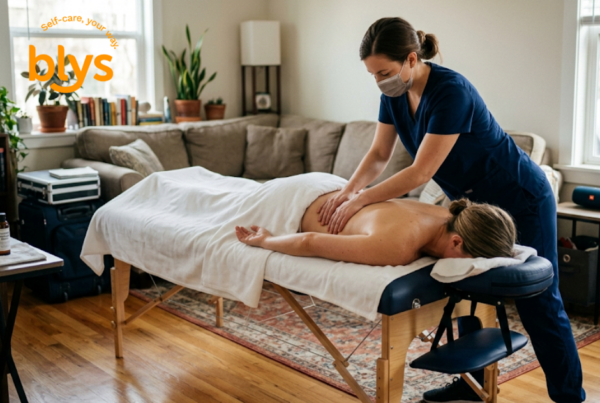
Once the consultation is finished, your therapist will step out or give you privacy so you can get ready and settle onto the table. Swedish massage is usually done on bare skin, but you only need to remove what feels comfortable for you. Many people keep their underwear on, and you will remain covered with a sheet or towel throughout the session. Your therapist will only uncover the part of the body they are working on at that moment.
This part of the session is designed to help you feel safe, comfortable, and respected. A professional therapist will explain how to lie on the table and what to expect before they begin.
At this stage, it helps to remember:
- You only undress to your own comfort level.
- You stay covered during the session.
- Only the area being treated is uncovered.
- You can ask questions before the massage starts.
- Your therapist will guide you if you are unsure what to do.
If anything feels unclear, awkward, or uncomfortable, it is completely fine to speak up. You are not expected to know the process already, and a good therapist will make sure you feel at ease before the massage begins.
Pressure and Preferences
Before the massage begins, your therapist will usually ask about your preferred pressure. Swedish massage is known for its light to medium pressure, but that does not mean every session feels the same. Some people prefer a softer, more calming touch, while others like slightly firmer pressure, especially in areas that hold more tension.
It is also helpful to speak up during the session if anything feels too strong, too light, or not quite right. You can ask for adjustments at any point, including more focus on a certain area. A good therapist will welcome that feedback and adapt the treatment to suit your comfort.
| What to communicate | How it helps |
| Preferred pressure level | Gives the therapist a better sense of what feels comfortable for you |
| Sensitive or sore areas | Helps avoid unnecessary discomfort during the session |
| Areas you want more focus on | Makes the massage feel more targeted and useful |
| If the pressure changes during the massage | Lets the therapist adjust the treatment as they go |
| Anything that feels uncomfortable | Keeps the session safe, relaxing, and suited to your needs |
Clear communication helps the massage feel more comfortable and more effective. Swedish massage should never feel like something you need to put up with. The goal is to help you relax while making sure the treatment suits your body on the day.
During the Session: What Your Therapist Actually Does
Once you’re settled on the table, your therapist will apply a massage oil or lotion to the skin. This reduces friction and allows them to work smoothly. Most oils are neutral and lightly scented, but if you have sensitive skin or a preference, mention it beforehand.
A typical Swedish massage session runs for 60 to 90 minutes and usually works through the body in a structured sequence. The exact order can vary by therapist, but most will cover the back, shoulders, and neck; the legs; the arms; and sometimes the scalp and face. The science behind Swedish massage techniques shows that the combination of these strokes helps reduce cortisol levels, ease muscle tension, and improve lymphatic drainage.
The Five Techniques You’ll Feel
During a Swedish massage, your therapist will usually use a mix of five core techniques throughout the session. Each one creates a slightly different sensation, but together they help relax the body, improve circulation, and ease built-up tension in a gentle, flowing way.
Here’s what each of the main techniques feels like in practice:
- Effleurage (long, gliding strokes): This is usually how your therapist will begin and end each area. It feels smooth and rhythmic and helps warm up the muscle tissue.
- Petrissage (kneading): A deeper technique that works into the muscle itself. It can feel a little more intense but shouldn’t be painful.
- Friction: Small, targeted circular movements, often used around joints and areas of tightness.
- Tapotement (rhythmic tapping): A brisk, percussive technique. Some therapists skip this entirely for relaxation-focused sessions.
- Vibration: Fine trembling or shaking movements used to release muscle tension.
Throughout the session, your therapist may check in about pressure. It’s normal to drift into a light sleep during a Swedish massage. This is a good sign that your nervous system is relaxing.
After the Massage: What to Expect When It’s Done
When the session ends, your therapist will let you know and give you a moment to rest before getting up. It is normal to feel deeply relaxed afterwards, and some people also feel a little sleepy or mentally quiet for a while. Take your time standing up, especially if you feel lightheaded after lying down.
You may also notice mild tenderness later that day or the next, particularly if your muscles were already tense before the treatment. In most cases, this settles quickly. It can help to drink some water, take it easy, and pay attention to how your body responds over the next few hours.
If you booked through Blys Swedish massage, your therapist will pack up their equipment and leave your space as they found it. One of the main benefits of mobile massage is that you do not need to rush anywhere afterwards. You can simply stay home, relax, and let the effects of the session ease in.
How Soon Can You Book Again?
Swedish massage isn’t a one-and-done treatment. Many people find that regular sessions, whether weekly, fortnightly, or monthly, help them maintain lower baseline stress levels and manage ongoing muscle tension. If you’re new to massage, starting with a single session to see how your body responds is a sensible approach before committing to a routine.
What Makes a Blys Swedish Massage Session Different
Blys brings professional massage therapists directly to your home, hotel, or workplace across the US. You don’t need to drive anywhere, sit in a waiting room, or navigate a spa reception. The entire session happens in your own space, which means there’s no wind-down time lost to a commute home afterwards. For a lot of people, that convenience is exactly what makes massage actually happen rather than being something they mean to book and never quite get around to.
Every Blys therapist is qualified, insured, and vetted. You can read more about what a session looks like in our guide on what to expect during a Swedish massage, or head straight to the Swedish massage service page to check availability in your area.
Whether you’re trying massage for the first time or coming back after a long break, the experience is designed to be straightforward, comfortable, and genuinely restorative.
Ready to Book?
A Swedish massage session follows a clear, comfortable structure. You’ll start with a brief conversation about your health and preferences, spend 60 to 90 minutes being guided through a full-body treatment, and finish feeling more relaxed than when you started. Knowing what to expect ahead of time means you can spend less time wondering what’s happening and more time actually switching off.
If you’ve been sitting on the idea of booking your first massage, now’s a good time to take the next step. Browse Blys therapists near you and find a time that suits your schedule.