 The end-of-year planning season rolls around, and someone in HR inevitably asks the same question: what do we actually give people this year? Branded water bottles, gift cards that expire in six months, and a hamper that half the team won’t touch employee rewards often feel like an afterthought, and employees can tell.
Employee wellness experiences are changing how forward-thinking companies approach recognition and appreciation. Rather than handing over an object that sits in a drawer or a voucher that gets forgotten, these companies are giving their teams something they can genuinely use: time to rest, recharge, and feel cared for. And the results speak for themselves.
In this post, we’ll break down why physical gifts consistently underperform as employee rewards, what the research says about why experiences create more lasting value, and how wellness experiences from in-office massage to guided mindfulness sessions can become a meaningful part of your employee appreciation strategy.
Why Physical Gifts Fall Flat as Employee Rewards
Think about the last time you received a branded gift from an employer. A tote bag, perhaps, or a set of desk accessories with a logo printed on the side. There’s a good chance it’s sitting unused somewhere or has already been donated.
Physical gifts are logistically easy to distribute, but they carry a fundamental limitation: they’re impersonal by default. The same item goes to every member of the team regardless of their preferences, lifestyle, or situation. For the person who doesn’t drink coffee, the artisan blend is wasted. For the remote worker who rarely comes into the office, the desk organizer has no practical use.
Gift cards sidestep some of these issues but introduce others. They can feel transactional, a way of saying, “Here’s some money; go sort yourself out,” rather than, “We see you and appreciate what you bring to this team.” Research has found that people often feel less appreciated receiving cash or gift cards compared to thoughtful, experience-based rewards, even when the dollar value is identical.
The Deeper Issue: Gifts Don’t Address What Employees Actually Need
Beyond the practical limitations, object-based rewards usually miss the real issues many employees deal with day to day:
- Burnout and emotional exhaustion that builds over busy periods.
- Mental fatigue from constant switching, deadlines, and decision load.
- Physical tension from desk work, long sitting hours, and repetitive strain.
- Low recovery time because rest keeps getting pushed down the priority list.
- Feeling unseen when rewards ignore what would actually help them feel better.
A branded notebook or generic hamper does not touch any of that. A wellness experience that helps someone reset and recover sends a very different message.
Why Experiences Create More Lasting Value Than Things
Research in psychology has consistently found that experiences tend to create more sustained well-being than material purchases, and the value often grows over time.
Here’s why:
- People adapt quickly to new objects: A new item feels exciting at first, then becomes normal fast (often explained through hedonic adaptation).
- Experiences stay “alive” in memory: People replay them, talk about them, and share them more than they do with physical things.
- The value comes in three phases, not one: Anticipation beforehand, the experience itself, and the reflection afterwards all add to the overall impact.
- Experiences feel more personal than stuff: Even when the cost is the same, an experience often lands as more thoughtful and more meaningful.
- In employee recognition, that turns a reward into a lasting signal: You’re not just giving a moment, you’re giving a memory that reinforces appreciation.
- Wellness experiences can also support measurable outcomes: Research indexed on PubMed links regular wellness interventions with reduced workplace stress, lower absenteeism, and improved job satisfaction, so the reward can benefit both the person and the team culture.
When an employer makes that kind of support easy to access, even occasionally, it reads as more than a transaction. It signals investment in the whole person, not just their output.
What Makes Wellness Experiences Particularly Effective
Not all experiences work equally well as employee rewards. Wellness experiences occupy a unique space because they address needs that most employees have but rarely feel empowered to prioritise on their own.
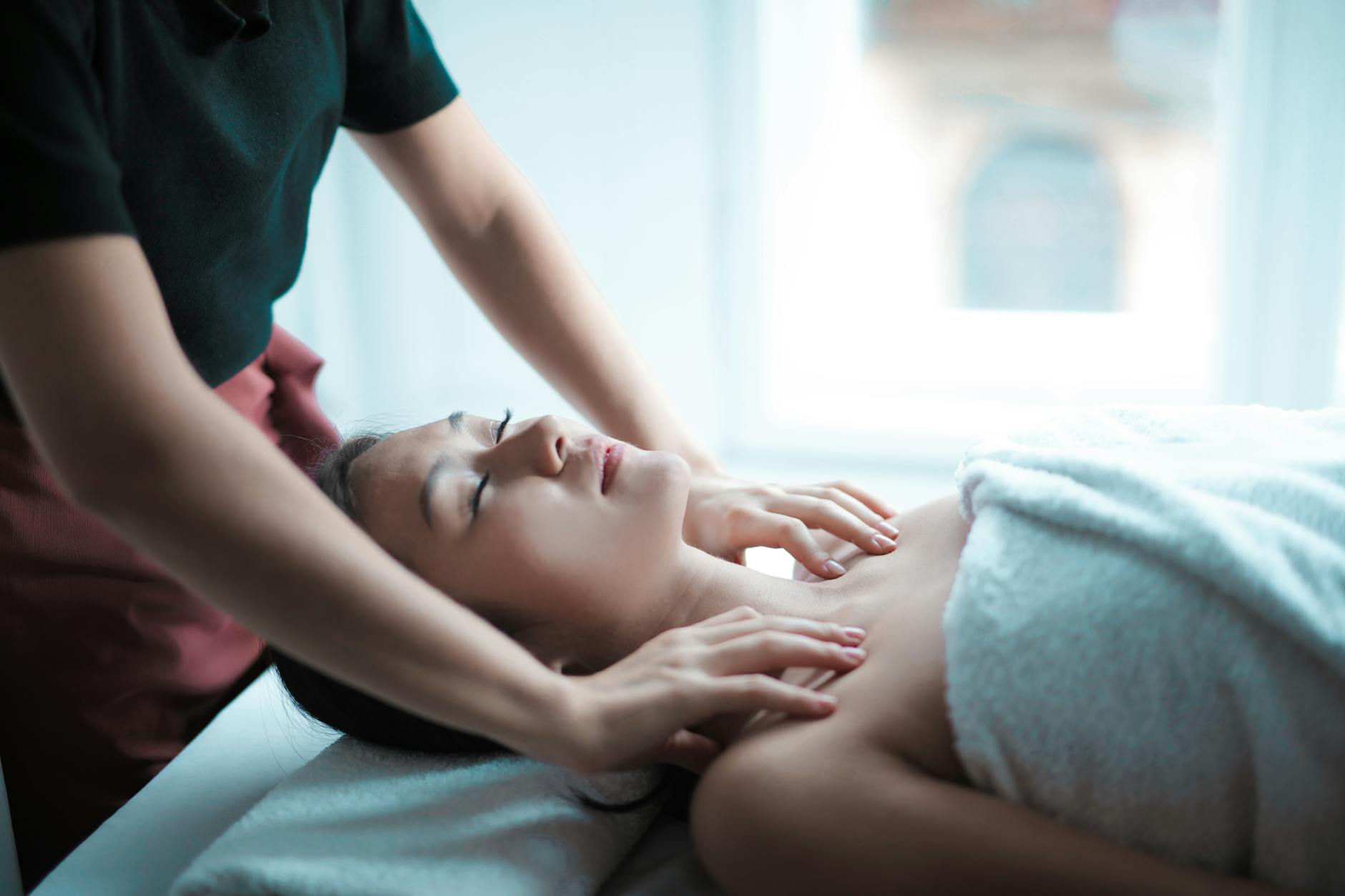
Consider the reality for many workers: competing demands, extended hours of sitting, physical and mental tension that has been normalized, and a habitual deprioritizing of their own recovery. When an employer steps in and removes the friction of arranging an in-office massage session or gifting a wellness voucher, they’re not just providing something enjoyable. They’re giving permission to rest.
Healthdirect Australia notes that regular relaxation practices, including massage therapy, can meaningfully reduce the physiological markers of stress and support overall mental health. For employees carrying high workloads, that kind of targeted intervention can be genuinely restorative in a way that no physical gift could replicate.
The Wellbeing Signal Matters as Much as the Experience Itself
There’s also a cultural dimension to consider. When a company invests in wellness as part of its recognition strategy, it signals something about how it views its people. Employees notice when their employer treats them as a number versus a person.
Experiential wellness rewards, particularly those delivered on-site or with minimal effort required from the recipient, communicate that the company genuinely cares about their physical and mental health, not just their productivity. For teams navigating demanding periods or high-pressure roles, that signal can meaningfully affect engagement, loyalty, and retention.
How to Use Wellness Experiences as Employee Rewards in Practice
The good news is that implementing wellness experiences as employee rewards doesn’t require a complete overhaul of your recognition strategy. They can slot into existing frameworks or stand alone as targeted gestures.
Individual Rewards vs Team Experiences
Individual rewards suit moments when you want to recognize one person’s effort. Team experiences work best when the whole group needs a reset after a big push.
| Option | Best for | Example | Why it works |
| Individual reward | Personal recognition | Massage voucher | Flexible booking and feels personal |
| Team experience | Shared appreciation | In-office chair or table massage | Builds connection and gives the team a reset |
If you already run reward cycles, you can use individual vouchers for standout contributions and schedule a team session after major deadlines or peak seasons.
Occasions Worth Recognising with a Wellness Experience
Wellness experiences as rewards work across a wide range of occasions: end-of-financial-year recognition, work anniversaries and milestone celebrations, post-project completion, quarterly performance recognition, or employee appreciation days. They’re flexible enough to scale up or down to match the moment.
If you’re exploring how this might work within a broader recognition framework, our guide to corporate wellness programs that truly care covers the structural side of getting this right, including how to make wellness feel like a genuine part of your culture rather than a one-off gesture. For practical day-to-day inspiration, our post on office wellness ideas that boost morale and focus has specific, low-lift options that complement formal reward structures.
Making It Count
The difference between a wellness reward that feels genuinely thoughtful and one that feels like a box tick often comes down to two things: how well it fits the person and how good the experience is on the day. When those two elements are right, the reward feels like real appreciation, not just a perk.
Personalisation Without Overthinking It
Personalization does not need a complicated system. Start with the context. If someone has just carried a heavy workload, a recovery-focused option (like massage) makes sense. If a team has been running hot for weeks, a group reset session can land better than another “thank you” email. Even small details help, like acknowledging what the person contributed and pairing the reward with that moment, so it feels specific and earned.
Built-in Choice
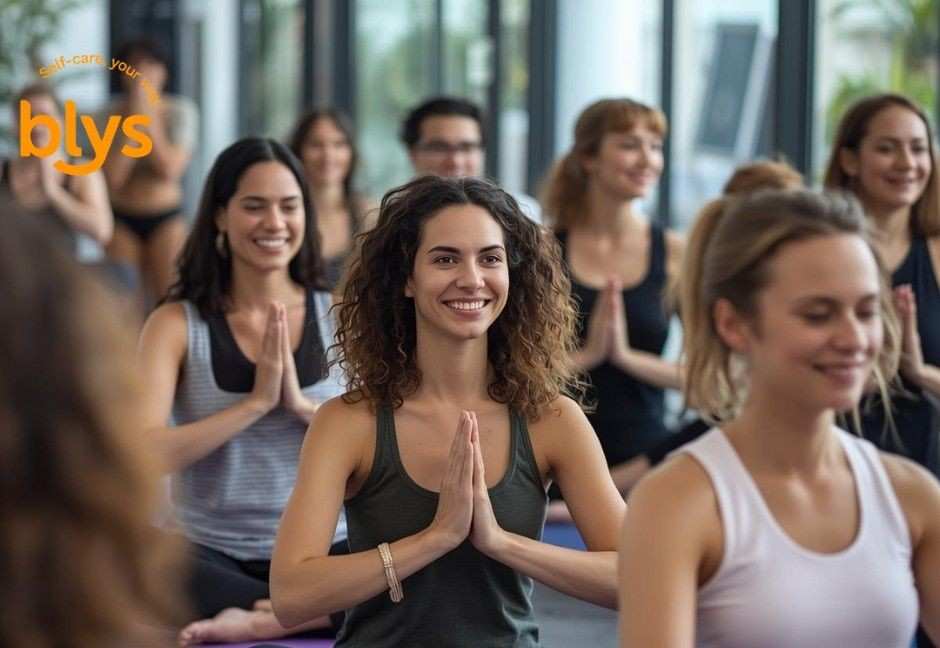
Choice is one of the easiest ways to make wellness rewards feel respectful. Not everyone wants the same thing, and people are more likely to use a reward when it suits their preferences and schedule. Offering a simple menu (massage voucher, yoga session, meditation workshop, or a wellbeing allowance that can be used across a few approved options) helps employees feel seen.
It also reduces the risk of wasted rewards, because people can pick what they will actually enjoy and benefit from.
Quality Reflects on the Company
A wellness experience is not just a benefit; it is a brand signal. If the session is rushed, poorly organized, or hard for employees to access, it can undercut the message you are trying to send. The best experiences feel seamless: clear instructions, easy scheduling, professional practitioners, and a delivery style that respects privacy and comfort.
Quality also includes practical considerations like appropriate time slots, a calm space, and realistic expectations about what can be delivered in the time available.
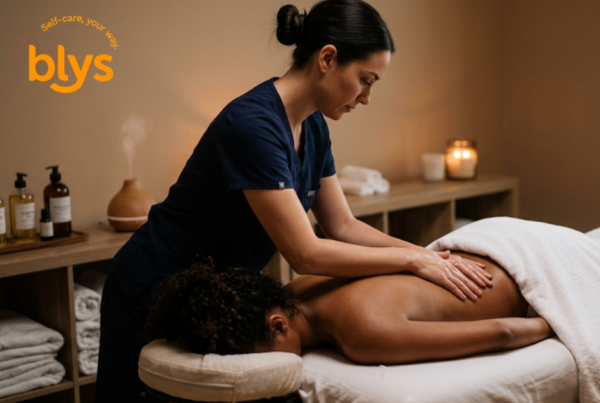
Blys connects businesses with qualified, fully insured massage therapists and wellness practitioners who come directly to your workplace or team location. Whether you’re arranging a single thank-you massage gift voucher or a full-day team wellness event, the process is straightforward and the experience is consistently professional. You can explore options and enquire through the Blys corporate wellness page.
Wrapping Up
The shift from physical gifts to wellness experiences isn’t just about novelty; it reflects a more honest understanding of what employees actually need and what makes them feel genuinely valued. Objects get forgotten. Experiences don’t, especially when they leave people feeling restored, recognized, and cared for.
If you’re looking to refresh how your team is recognized and rewarded, wellness experiences are one of the most effective tools available. They’re practical, deeply appreciated, and signal the kind of workplace culture that retains good people. Get in touch with the Blys corporate team to discuss a wellness reward program that works for your team size, budget, and goals.